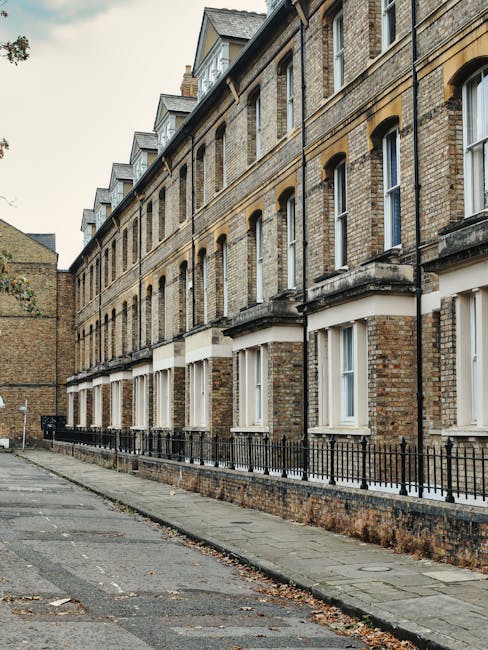
If you are moving out of a flat on Fulham Palace Road, the difference between a smooth handover and a stressful scramble is usually preparation. A good Fulham Palace Road flats removals checklist for tenants keeps you on top of the obvious jobs, the annoying little admin tasks, and the bits people always forget until the last minute. You know the type: the keys, the meter readings, the building access, the odd drawer full of cables, the deposit photos. It all matters.
This guide is built for real-life flat moves in West London. It explains what to do, when to do it, how to avoid common mistakes, and how to leave the property in a condition that makes your final inspection far less painful. If you are comparing moving help, you may also find it useful to look at flat removals and packing and boxes for a more organised move.
Key takeaway: the best tenant removals checklist is not just about packing boxes. It is about protecting your deposit, managing timing, and making sure the move-out day feels controlled rather than chaotic.
Table of Contents
- Why Fulham Palace Road flats removals checklist for tenants Matters
- How Fulham Palace Road flats removals checklist for tenants Works
- Key Benefits and Practical Advantages
- Who This Is For and When It Makes Sense
- Step-by-Step Guidance
- Expert Tips for Better Results
- Common Mistakes to Avoid
- Tools, Resources and Recommendations
- Law, Compliance, Standards, or Best Practice
- Options, Methods, or Comparison Table
- Case Study or Real-World Example
- Practical Checklist
- Conclusion
- Frequently Asked Questions
Why Fulham Palace Road flats removals checklist for tenants Matters
Flat moves are rarely as simple as carrying a few bags to a van. On Fulham Palace Road, you are often dealing with shared entrances, lift access, narrow stairwells, parking pressure, time windows, and neighbours who are not thrilled about a late-night sofa shuffle. A checklist helps you keep the whole thing tidy. Not perfect. Just tidy enough to avoid the classic last-minute mess.
For tenants, the biggest reason a removals checklist matters is deposit protection. Most end-of-tenancy disputes are not dramatic; they are small and practical. A mark on the wall. A missing bin. A forgotten appliance tray. A key that was not returned. If you write everything down early, you are much more likely to spot these issues before handover rather than after the check-out inventory has already been done.
It also helps with timing. Moving out of a London flat often means juggling work, building rules, lift bookings, parking, and key return deadlines all at once. Without a plan, the day can run away from you. With a plan, you can move one room at a time and keep your head clear.
In practice, the best move-out days are usually the boring ones. No drama, no mystery missing boxes, no panic about where the TV remote went. Boring is good.
How Fulham Palace Road flats removals checklist for tenants Works
A tenant removals checklist works best when you treat it as a sequence, not a vague reminder list. First you prepare the flat for packing. Then you sort what stays, what goes, and what needs special handling. After that, you book your moving support, arrange access, and handle the handover jobs like meter readings and cleaning.
The idea is simple: reduce decisions on the day. If every box is labelled, every item has a place, and every admin task has a deadline, the move feels much less heavy. That matters even more in a flat, where one blocked corridor or one delayed lift can throw the whole day off. To be fair, it is rarely the big items that cause stress. It is the small ones. The screws. The charger leads. The kettle you thought was already in a box.
Many tenants also benefit from choosing a moving style that matches their property size. A smaller one-bedroom flat may suit a man with van arrangement, while a larger flat with bulky furniture may need a more structured removal services approach. If you are moving out of a furnished flat, you may also want support with furniture removals or even furniture pick up for items you are not taking with you.
Key Benefits and Practical Advantages
A good checklist gives you more than peace of mind, although that alone is worth something on moving week. It also saves time, helps avoid damage, and makes it easier to coordinate with landlords, letting agents, and movers.
- Less forgotten admin: utility readings, forwarding addresses, keys, permits, and final cleaning are all easier to track.
- Cleaner handover: you are more likely to leave the flat in the condition expected at check-out.
- Lower moving stress: you are not trying to remember everything from memory on the morning of the move.
- Better packing decisions: you can separate essentials, fragile items, and things to discard or donate.
- More realistic budgeting: you can decide whether you need a simple vehicle, a full team, or storage in between.
There is also a practical benefit that people underestimate: a checklist makes communication easier. If you share the plan with a partner, flatmate, or removal team, everyone is working from the same page. That can save half an hour here, another half hour there, and in London, half hours matter.
Who This Is For and When It Makes Sense
This checklist is for tenants moving out of a flat on or near Fulham Palace Road, but it is especially useful if you are:
- leaving a rented flat at the end of a tenancy
- moving between flats in the same area
- sharing a property and dividing belongings with housemates
- moving on a tight deadline because of lease dates or job changes
- planning a student move, a first-time flat move, or a downsizing move
- handling a furnished flat where items need checking against the inventory
It also makes sense if you are moving with awkward furniture, a tight hallway, or a building where access is tricky. In those situations, the checklist is not just a nice extra. It is the thing that keeps the move from becoming a standing joke among everyone carrying boxes.
If your move is small and simple, the checklist still helps. If your move is complicated, it becomes essential. That is the honest version.
Step-by-Step Guidance
1) Start with your tenancy paperwork
Before a single box is taped shut, review your tenancy agreement, inventory, and move-out instructions. Check your notice period, key return rules, and any cleaning or repair requirements. If you do not have the original inventory, ask for it early rather than waiting until the last day.
2) Book your move-out date and building access
Confirm the day you are leaving, then check whether the building needs lift booking, loading bay approval, or advance notice for removals. Flats in busy London streets can turn parking into the real challenge. A removal plan is only as good as the access plan behind it. A carefully timed man and van booking can be perfect for smaller loads, but only if access is sorted.
3) Declutter before you pack
This is the moment to be ruthless. Old cables, broken kitchen gadgets, single socks, duplicate mugs, random plastic bags from 2019. Let them go. Anything you are not using should be donated, recycled, stored, or removed properly. If you need help clearing unwanted items, furniture removals and recycling and sustainability are worth considering as part of a cleaner exit.
4) Pack by room, not by mood
Kitchen first, then bedroom, then living room, then bathroom, then the odd cupboard that somehow contains five extension leads and a torch. Pack one area at a time and label every box clearly. Write the room name and a short contents note. "Kitchen - mugs, plates, kettle" is much better than "misc."
5) Create an essentials bag
Keep a small bag or box with the things you will need immediately after moving: phone charger, toiletries, medication, snacks, tea bags, toilet roll, keys, documents, and one change of clothes. It sounds obvious until you are standing in a half-empty flat at 9 p.m. looking for toothpaste.
6) Protect the property as you move
Use floor coverings where needed, especially in hallways and near doors. Wrap sharp edges, secure drawers, and remove shelves or loose fittings only if your tenancy agreement says that is allowed. A small scratch can become an avoidable deduction, and nobody wants that conversation.
7) Do final cleaning and meter readings
Once the flat is empty, clean it thoroughly and take meter readings if required. Photograph the readings, the rooms, and any pre-existing marks. Keep the images in one folder on your phone. It takes two minutes and can save a lot of back-and-forth later.
8) Hand back keys and confirm completion
Return all sets of keys, fobs, post-box keys, and parking permits exactly as instructed. Ask for written confirmation where appropriate. Then breathe out. Really breathe out.
Expert Tips for Better Results
After enough moves, a few patterns become obvious. The people who feel calm at the end usually do three things well: they start earlier than they think they need to, they label properly, and they keep one person in charge of the final sweep.
- Photograph fragile items before packing them. If something breaks in transit, you will know what it looked like before the move.
- Use colour-coded labels. It sounds fussy, but it speeds up unloading and makes room sorting easier.
- Separate landlord-sensitive items. Keys, manuals, remotes, and small fixtures should not disappear into random boxes.
- Plan for awkward furniture first. Sofas, wardrobes, beds, and white goods usually need the most effort, so do not leave them until the end.
- Keep one "do not pack yet" area. That way the final morning does not become a scavenger hunt.
If you are moving from a top-floor flat or a building with tight stairs, it may be worth looking at removal van options that suit the size of your move without overcomplicating it. For tenants with a mix of boxes and furniture, packing and unpacking services can also remove a lot of the burden, especially if you are working full-time and doing this around normal life. Which, frankly, is most people.
Common Mistakes to Avoid
Some mistakes show up again and again. They are easy to make, and annoying to fix.
- Leaving packing until the final two days: that is how labels get missed and things get broken.
- Forgetting to check the inventory: you should know what the landlord expects back before move-out.
- Not arranging access: a van arriving with nowhere to stop is a headache nobody needs.
- Mixing essentials with storage boxes: the first night becomes much harder if the kettle is buried under books.
- Ignoring cleaning until after the movers leave: by then, the energy has usually gone.
- Assuming small flats do not need planning: small spaces can be more awkward, not less.
A surprisingly common one is forgetting where the keys are. Sounds silly. Happens all the time. Keep one designated envelope or pouch for all handover items and do not move them once they are placed there.
Tools, Resources and Recommendations
You do not need fancy equipment to move well, but a few simple things make the job much easier:
- strong packing tape and a spare roll
- marker pens that do not dry out after two labels
- sturdy boxes in mixed sizes
- bubble wrap or paper for breakables
- bin bags for soft items and last-minute rubbish
- zip bags for screws, brackets, and tiny fittings
- blankets or furniture covers for larger items
On the service side, it helps to know what each option is best for. A small move might suit man with van, while a larger tenancy move with more furniture may call for removals or a broader removal services package. If you need temporary space between tenancies, storage can be a sensible bridge, especially when move-out and move-in dates do not line up neatly.
For tenants who want a clearer understanding of service standards and how a company handles safety, it is worth reviewing health and safety policy and insurance and safety. Those pages do not solve the packing for you, obviously, but they do help you make a more informed choice.
Law, Compliance, Standards, or Best Practice
This article is not legal advice, but there are a few UK tenancy basics worth keeping in mind. Your tenancy agreement usually sets out what condition the property should be returned in, how notice works, and what happens with keys, cleaning, and damage. The inventory and check-out report are especially important because they help show the flat's condition at the start and end of the tenancy.
Best practice in rented flats is straightforward: return the property clean, empty of personal items, and with everything that belongs to the landlord still present and in reasonable working order, allowing for fair wear and tear. That last bit matters. Normal ageing is not the same as damage. A bit of dust is not the same as a broken blind.
If you are unsure whether something counts as fair wear and tear, document it rather than guessing. A quick photo and a polite note can help if questions come up later. Also, if you are disposing of unwanted belongings, do so responsibly. Leaving items in communal areas is rarely acceptable and can create extra charges or neighbour complaints. Not a great farewell to the building, is it?
For peace of mind on payment matters, it is sensible to understand the company's payment and security approach and to read the terms and conditions before booking anything. If you want to know more about the team behind the service, the about us page is a useful place to start.
Options, Methods, or Comparison Table
Tenants often wonder whether they should manage the move themselves or book help. The right answer depends on the size of the flat, the amount of furniture, access, and how much time you genuinely have. Below is a simple comparison.
| Option | Best for | Pros | Trade-offs |
|---|---|---|---|
| DIY move | Very small moves, minimal furniture | Lowest service cost, full control | More lifting, more time, more risk of delays |
| Man and van | One- to two-room flat moves | Flexible, practical, often good for urban access | May need careful loading and packing beforehand |
| Full removals service | Larger flats or heavier furniture | Less physical strain, more support, better for complex moves | Usually more expensive than smaller options |
| Storage plus move | Gap between tenancies or uncertain dates | Helpful when dates do not align | Extra handling and another step to manage |
If you are moving out of a student flat, the smaller, faster options can be especially useful. In those cases, student removals may fit the speed and budget needed. For larger homes or shared households, house removals or even home moves may be more appropriate, depending on what you are taking with you.
Case Study or Real-World Example
Picture a typical flat move on Fulham Palace Road. Two bedrooms, a narrow hallway, a sofa that barely turns the corner, and a landlord check-out booked for the next morning. The tenant starts by clearing the cupboards a week early, packs non-essentials by room, and books a vehicle sized for the job rather than guessing.
On the move day itself, the essentials bag stays with the tenant. The boxes are already labelled. The moving team knows which items need extra care, and the large furniture is loaded first. At the end of the day, the flat is empty enough to clean properly, meter readings are photographed, and all keys are placed in one envelope for return. Nothing dramatic. Just organised.
What made the difference? Not luck. Preparation. A little patience, a little discipline, and a refusal to leave the obvious jobs until the morning of the move. There was still a moment where someone could not find the plug for the bedside lamp. Of course there was. But overall, the day stayed calm because the important stuff was already sorted.
Practical Checklist
Use this as your tenant removals checklist for a Fulham Palace Road flat. Print it, copy it into your notes app, or tick it off as you go.
- Check tenancy agreement, inventory, and move-out instructions
- Confirm moving date, access times, and any lift or parking requirements
- Book removals support or transport suitable for your flat size
- Declutter unwanted items before packing
- Set aside donation, recycling, and disposal items
- Pack room by room and label every box clearly
- Protect fragile items, furniture edges, and flooring
- Create an essentials bag for the first night
- Separate keys, fobs, permits, documents, and manuals
- Take photos of the flat before and after packing
- Remove all personal items from cupboards, shelves, and storage spaces
- Clean the kitchen, bathroom, floors, and hidden corners
- Take final meter readings if required
- Return all keys and access items exactly as instructed
- Keep confirmation of handover and any important emails
If you are still deciding how much help you want, reviewing pricing and quotes can help you compare the level of support against the size of the move. It is often simpler than people expect, and far less stressful than trying to second-guess it at 10 p.m. with boxes everywhere.
Conclusion
A well-built Fulham Palace Road flats removals checklist for tenants is not about being overly fussy. It is about making a rented flat move feel manageable, protecting your deposit, and reducing the small errors that cause big frustration later. If you handle the paperwork early, pack methodically, arrange access properly, and leave time for cleaning and check-out, the move becomes much easier to live through.
Truth be told, most good moves are built on small habits rather than heroic effort. A label here, a photo there, one tidy envelope for keys, one calm person keeping an eye on the clock. That is usually enough.
Get a free quote today and see how much you can save.
And if you want a company overview before booking, you can also read more about the team's approach to service and standards on the about us page. A careful move-out is a good feeling. It really is.
Frequently Asked Questions
What should tenants check before moving out of a flat on Fulham Palace Road?
Start with your tenancy agreement, inventory, and any move-out instructions from the landlord or letting agent. Then check access arrangements, parking, lift bookings, and key return details. Those are the things that trip people up most often.
How early should I start my removals checklist?
Ideally, start as soon as you know your moving date. Even a simple flat move benefits from a week or two of preparation. If you leave everything to the final 48 hours, you will probably be packing under pressure, and that is never fun.
Do I need professional help for a small flat move?
Not always, but it can still be useful. A small flat may suit a man with van or similar option, especially if you have furniture, tight access, or limited time. The real question is how much lifting and coordination you want to handle yourself.
What is the best way to label boxes for a flat removals checklist?
Use the room name first, then a short contents note. For example: "Kitchen - pans and plates" or "Bedroom - winter clothes." If a box contains breakables, mark that clearly too. It sounds basic, but basic works.
How do I avoid losing my deposit when moving out?
Return the flat clean, remove all personal belongings, repair or report any damage properly, and compare the property against the inventory. Take photos before handover and keep records of meter readings and key return. That documentation can be helpful if questions arise.
Should I clean the flat myself or hire help?
That depends on time, budget, and the condition of the property. If the flat has a lot of built-up grime, a professional clean can be worth considering. If it is well maintained, a thorough DIY clean may be enough. Be realistic, though. Moving day is tiring.
What items do tenants often forget when moving out?
Commonly forgotten items include cupboard contents, charger cables, window keys, appliance manuals, wall hooks, and things stored in communal areas or utility cupboards. The oddest one I have seen? A single roasting tin still in the oven. Happens more than you would think.
Is storage useful during a tenant move?
Yes, especially if your move-out and move-in dates do not line up neatly or if you are downsizing. Storage can give you breathing room instead of forcing every decision into one day.
What kind of moving service suits a furnished flat best?
For a furnished flat, a more complete moving solution often makes life easier, especially when large items need careful handling. Depending on your situation, that might mean flat removals, removal services, or a combination of transport and packing support.
Do I need to worry about access on Fulham Palace Road?
Yes, definitely. Access is one of the biggest practical issues in London flat moves. Check parking, entry times, lift use, and whether any building notice is required. A move can be delayed by a few metres of bad parking, which is a bit maddening, but very real.
What if I need to move at short notice?
If time is tight, look for flexible options such as same day removals where available. Short-notice moves still benefit from a checklist, maybe even more so, because the temptation is to skip the important admin.
Can tenants use a checklist for housemates splitting a flat move?
Absolutely. In shared flats, a checklist helps divide tasks, prevent duplicate packing, and avoid arguments over communal items. It also makes it easier to work out who is responsible for what, which is always a good idea before the last box is carried out.